
Serengeti National Park
Africa's greatest wildlife theatre
Area
14,763 km²
Peak Season
June – October
Region
Northern Tanzania
About This Destination
Serengeti
The Serengeti is the world's greatest wildlife spectacle — a living, breathing drama played out across 14,763 square kilometres of open savanna, kopje-studded plains, and riverine forest. Named from the Maasai word meaning 'endless plains,' it earns that description a thousand times over.
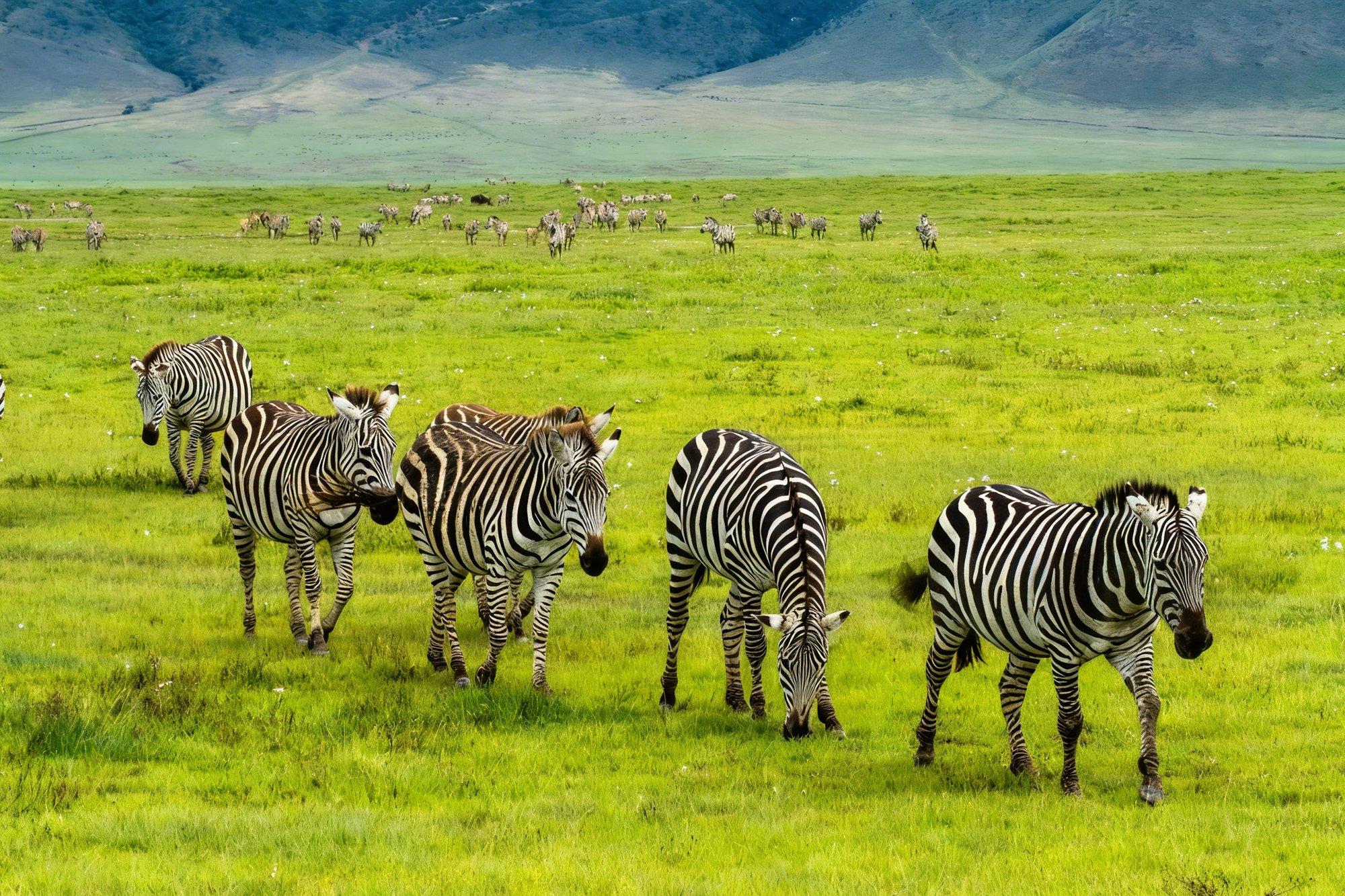
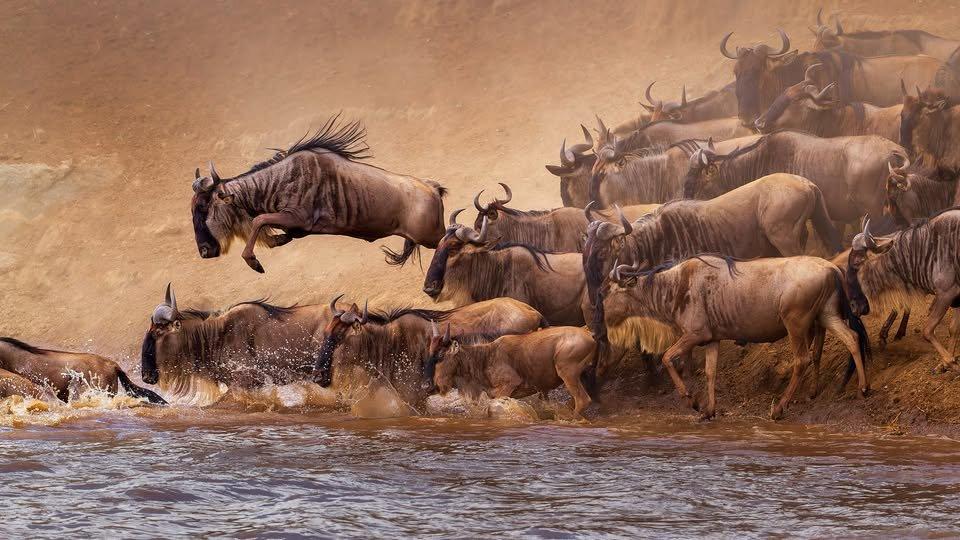
The defining event is the Great Migration: between July and October, over 1.5 million wildebeest and 250,000 zebra surge north across the Mara River in search of fresh grazing, braving crocodile-filled crossings in scenes of raw, unscripted nature. But even outside migration season, the Serengeti delivers. The southern Ndutu plains host calving season from January to March — when thousands of new wildebeest are born into a landscape watched closely by lions, hyenas, and cheetahs.
Our camps are positioned to track the animals' movement throughout the year, ensuring you're always in the right place at the right time.
Highlights
Sample Itinerary
The essential Serengeti — big cats, open plains, no filler.
Arusha → Central Serengeti
Morning flight over the Rift Valley. Afternoon game drive into Seronera valley — lion country. Sundowners on a kopje as the sky turns amber.
Grumeti River Zone
Full day in the Western Corridor tracing wildebeest herds along the Grumeti River. Enormous crocodiles patrol the shallows. Picnic lunch in the bush.
Seronera Valley — Big Cat Country
Morning with the Seronera lion prides; afternoon tracking cheetah on the open plain. At dusk, a leopard appears in a sausage tree above camp.
Dawn Drive & Departure
Final sunrise game drive before transfer to the airstrip. Return to Arusha with the Serengeti still visible below.
Best Time to Visit
Plan your visit
Experience Serengeti with us
Our guides know every corner of Serengeti National Park. Let us craft a journey tailored to you.
Best For
Gallery