Tarangire National Park is often described as the entry point to the Northern Circuit — the park you pass through on the way to the Serengeti. This description is both true and deeply unfair. Tarangire is one of Africa's great wildlife destinations in its own right, and in October and November, when the rest of Tanzania's northern parks are relatively quiet, it is arguably unmatched on the continent for sheer elephant density.
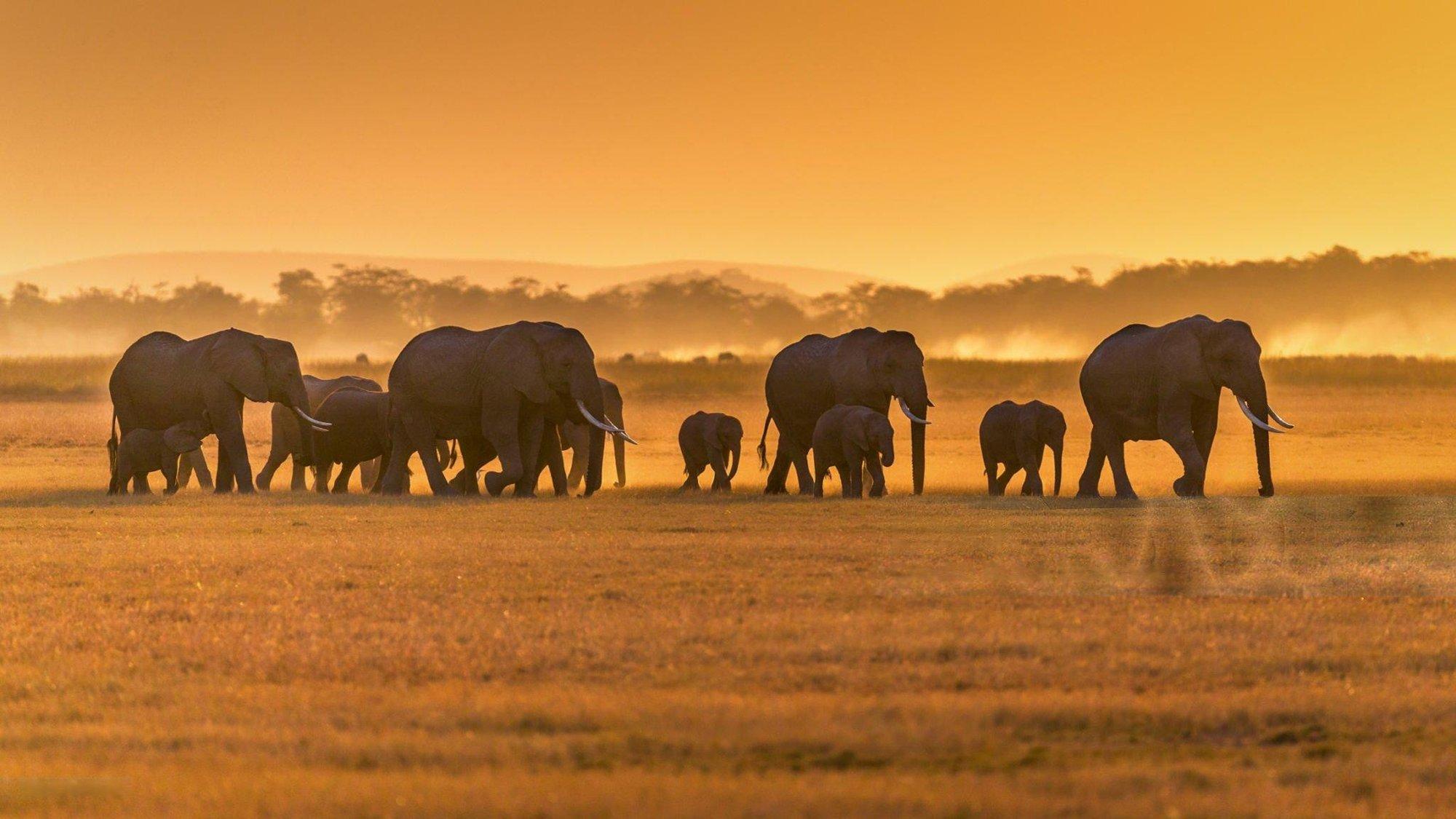
The reason is the Tarangire River. During Tanzania's long dry season from June to October, the river is one of the only permanent water sources in the region and animal concentrations here can exceed even the Serengeti. The difference is that Tarangire's wildlife is dominated not by the vast herds of plains game that define the Serengeti experience, but by elephants — hundreds of them, sometimes thousands, moving in family units between the river and the ancient baobab groves that give this park its distinctive character.
By November the short rains have begun and the landscape transforms almost overnight. Grass that was bleached bone-white turns deep emerald. The elephants that retreated into the Maasai steppe during the wet season begin to return. This is when the big bulls come in — the bulls with the heavy, sweeping tusks you rarely see in other parks. The Tarangire bulls are among the largest-tusked animals left in East Africa, and in November you have a real chance of encountering them at close range.
The practical benefit of November: the lodges have dropped their rates from peak-season highs, the vehicles in the park number in the dozens rather than hundreds, and you can spend an hour watching an elephant family without another vehicle arriving. Combine Tarangire with a few nights in the Ndutu area of the Serengeti for the beginning of the calving season and you have one of the genuinely great wildlife circuits in Africa.