
The numbers are not simple. Tanzania's elephant population, which dropped below 43,000 in 2014 after a devastating poaching surge driven by international ivory demand, has recovered to over 60,000 according to the most recent aerial survey. That is genuine good news. It is also incomplete news: the recovery is uneven, concentrated in the better-resourced parks, and the pressures that drove the poaching crisis have not disappeared. They have shifted.
What has changed is the enforcement architecture. The Tanzania Wildlife Management Authority overhauled its ranger training programme in 2016 and the results in terms of reduced poaching incidents have been significant. But the rangers we spoke to in both the Serengeti and Ruaha were clear that enforcement alone is not conservation. The communities that border these parks are the first line of defence and the first people affected when wildlife moves outside park boundaries — which wildlife, being wildlife, does constantly.
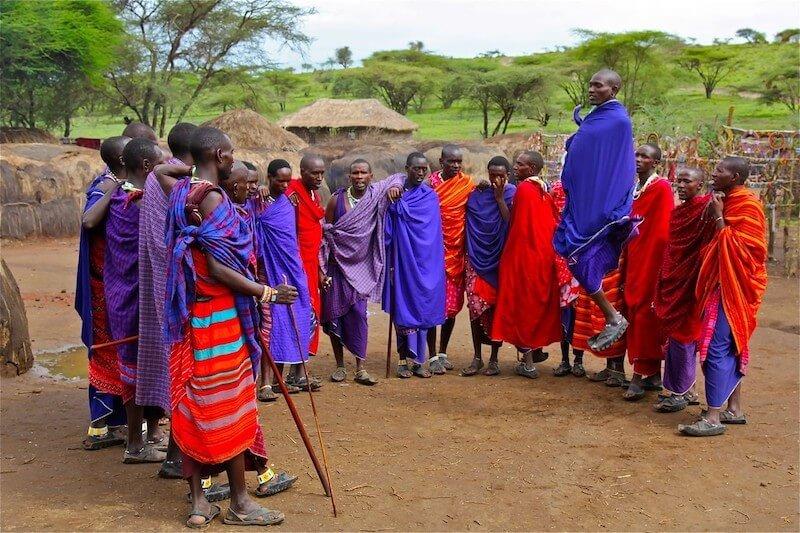
The community conservancy model has delivered real results in several areas. The Ikona Wildlife Management Area adjacent to the western Serengeti is the most-cited example: local communities control visitor access and hunting quotas, receive a direct share of tourism revenue, and have measurable incentives to report and prevent poaching rather than participate in it. Elephant and lion numbers in Ikona have increased every year since the model was implemented.
Climate variability is the emerging challenge that all of our conversations returned to. The seasonal patterns that have defined Tanzania's wildlife calendar for centuries are shifting. Calving season in the Serengeti is arriving earlier. The Tarangire River is running lower during the dry season than it did twenty years ago. The baobab trees, which can live for 2,000 years, are dying in elevated numbers.


