The Great Migration in Africa is a spectacle that die-hard safari lovers have at the top of their bucket lists. It’s arguably Mother Nature’s greatest wildlife show, with millions of wildebeest, followed by gazelle and zebra, traversing across the Serengeti in Tanzania and Maasai Mara in Kenya.
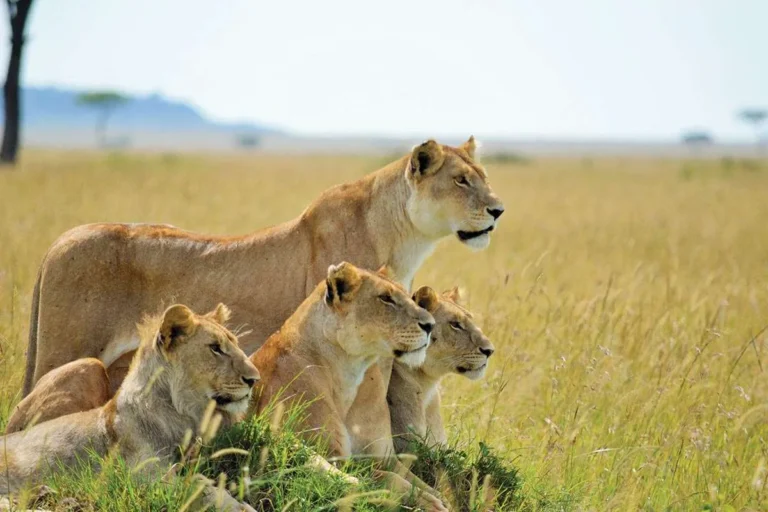
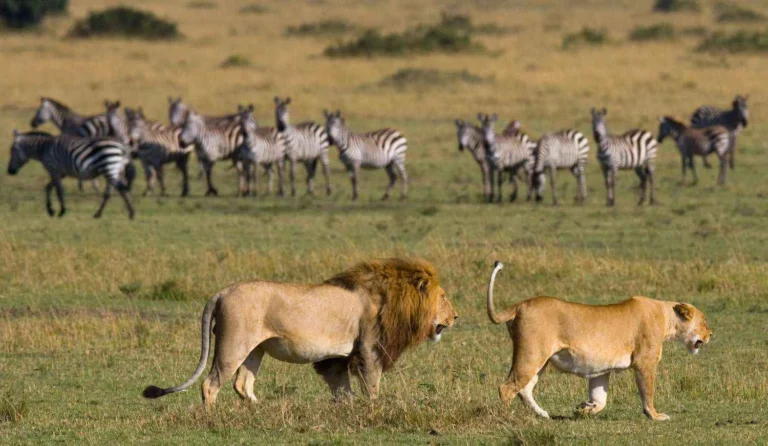
Naturally, hungry predators follow suit, which makes for exhilarating wildlife sightings! There’s only one way to go, and that’s forward, so it’s survival of the fittest all the way.
Following this journey is a little bit more tricky than your standard safari, and knowing when to be where is important as the animals are constantly on the move. An African safari including the Great Migration is something that everyone needs to experience at least once in their lifetime. Here’s what you can expect.
What is the Great Migration?
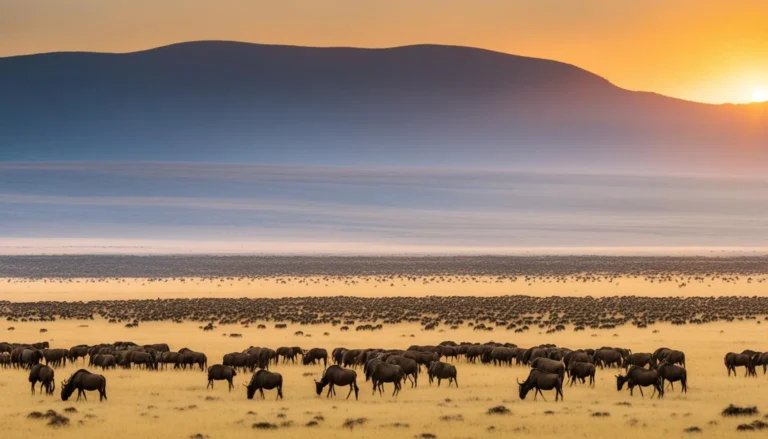
The Great Migration, also known as the Wildebeest Migration, is a journey rather than one single event. This migration has become the postcard picture of East Africa. Think vast open plains flooded with wildlife and flat-topped acacia trees on the horizon set against that signature red African sunset.
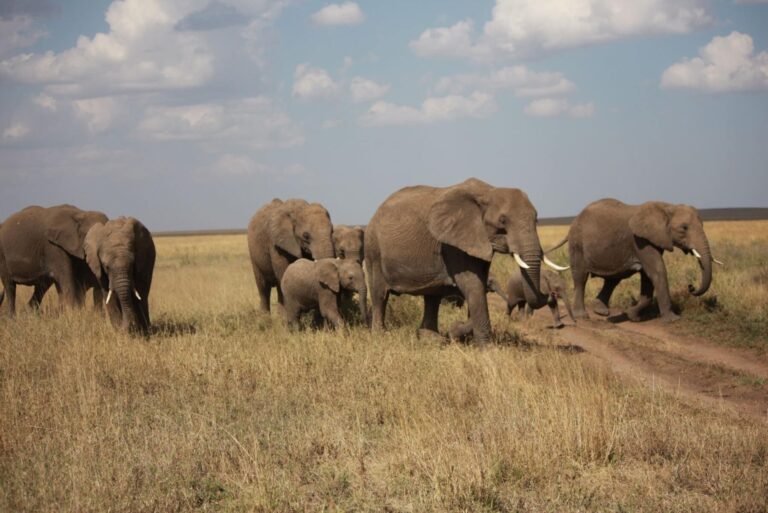
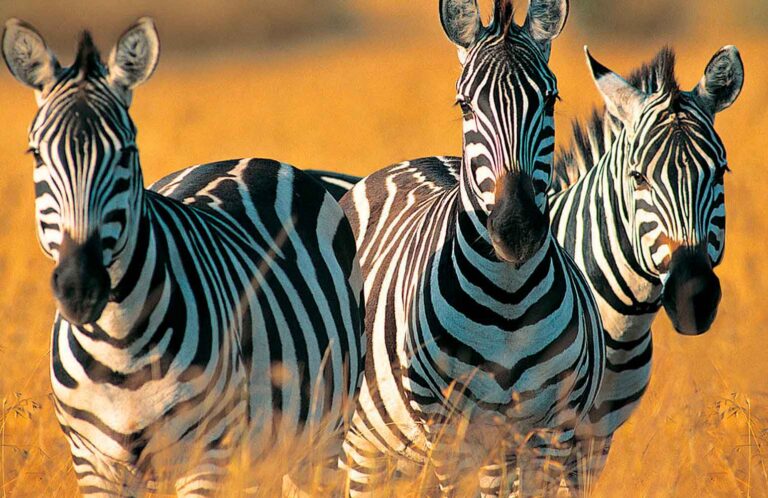
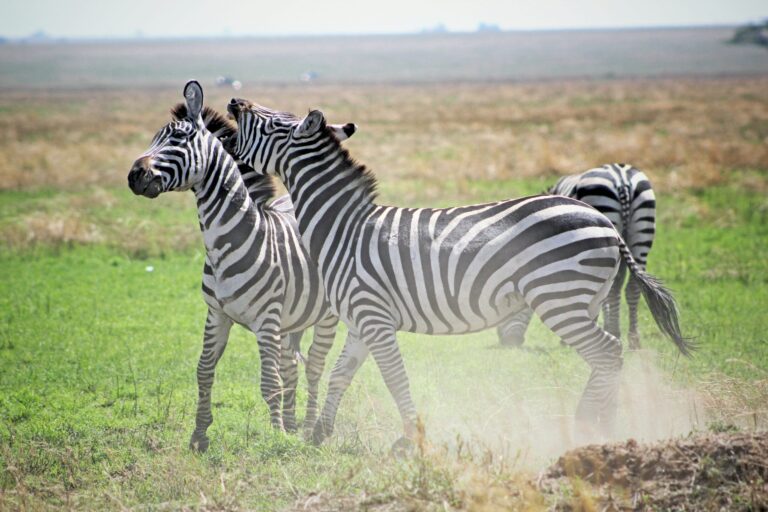
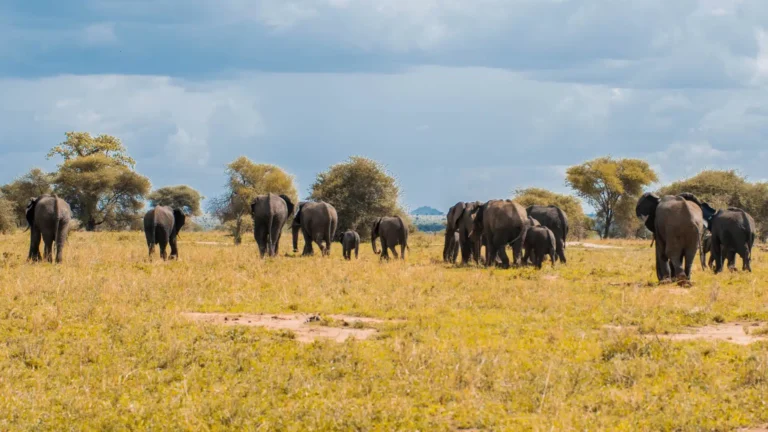
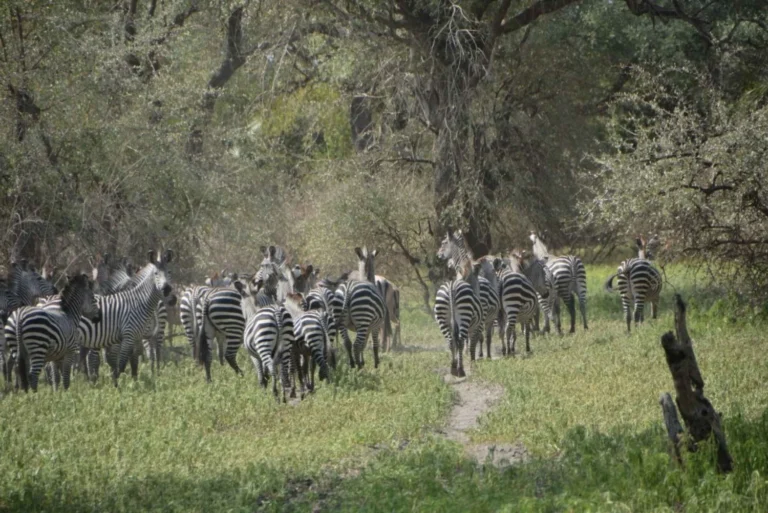
The migration comprises between 1.5 and 2 million animals, predominantly wildebeest and zebra, with some Topi antelope, Grant’s gazelle, Thompson’s gazelle, impala, eland and others following. They collectively travel across the plains following the rainfall and in search of greener pastures. Although it’s not a set route, it follows roughly the same pattern every year.
This spectacular spectacle is known as the largest overland migration globally, and the Great Migration in Africa is listed as one of the Seven Natural Wonders of Africa. In fact, it’s so famous that an African safari including the Great Migration is one of the most frequently requested itineraries we receive.
The herds travel a total of around 800km during each cycle, and eager safari enthusiasts try their best to follow to get a front-row seat. Each month and location brings with it new obstacles and predators these animals have to get past. The Great Migration in Africa is the ultimate survival game!
Where and when does the Great Migration occur?
Because this journey is not exactly mapped out and depends on the rainfall, knowing exactly where you need to be is vital to avoid disappointment. But you don’t have to go about booking your dream Great Migration safari in Africa blindly! As the World’s Leading Safari Company, our Rhino Africa Travel Experts are well-travelled and in sync with Africa’s rhythm. They know all her secret spots and the most luxurious places to rest your head after a full day of adventuring.
Where does the Great Migration take place?
The Great Migration follows a circuit rather than a set route between Tanzania’s Serengeti plains in the south and Kenya’s Maasai Mara in the north.
But just because there’s an outline of their journey, it’s not an exact science and not really a set route at all. Instead, it’s general corridors. The Great Migration is a natural process that depends on the weather, environmental factors, and the animals themselves. However, it does follow roughly a similar schedule and route, although there will always be unpredictable changes.
A Great Migration Kenya safari is best in Maasai Mara when the herds move through the Mara River into the Maasai Mara National Reserve before making their way back into Tanzania. From here, they make their way toward the Serengeti National Park, the ideal location for your Great Migration Tanzania safari
When is the Great Migration
The Great Migration dates remain roughly the same each year. The first action happens when the animals set out across the Serengeti plains in April. Over the next couple of months, they will come across many obstacles, including predators waiting to strike. So, when is the Great Migration in Africa? Here’s a rough breakdown of their movement schedule to help you plan your own.
November – January
The migration cycle of Serengeti National Park begins in this period when animals move from Kenya’s Maasai Mara National Reserve to the south-east part of the Serengeti. This is the dry season in Tanzania and approximately 1.7 million of antelopes, accompanied by 260,000 zebras and 470,000 gazelles move to the Serengeti’s alleys covered with short grass. This time is also mating season for zebras and therefore vital to the future of these species.
February – March
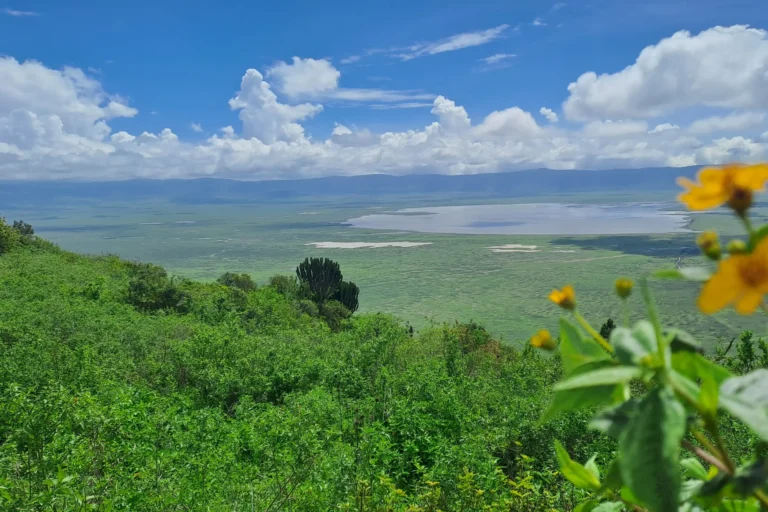
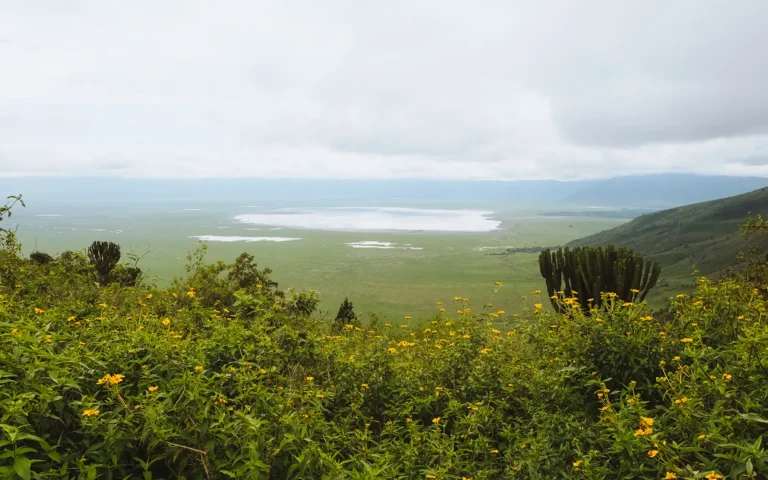
In February, the migration passes through the south part of Serengeti National Park and in the Ngorongoro Conservation Area. This period is the peak season for fertility for antelopes and important for the formation of the next generation. New antelopes are born during this season, and visitors may see the young walking with the herd, protected from predators and able to run at an incredible speed at only a few days old.
By early March the fodder near the Ngorongoro disappears and antelopes have to migrate to the western part of the Serengeti, to the region of the Grumeti River.
April
The big herds of animals move to the central part of the park named Seronera. This period is the rainy season in Tanzania. Heavy and prolonged rainfalls give animals tens of thousands of square kilometers of fresh grass for their nutrition.
May – June
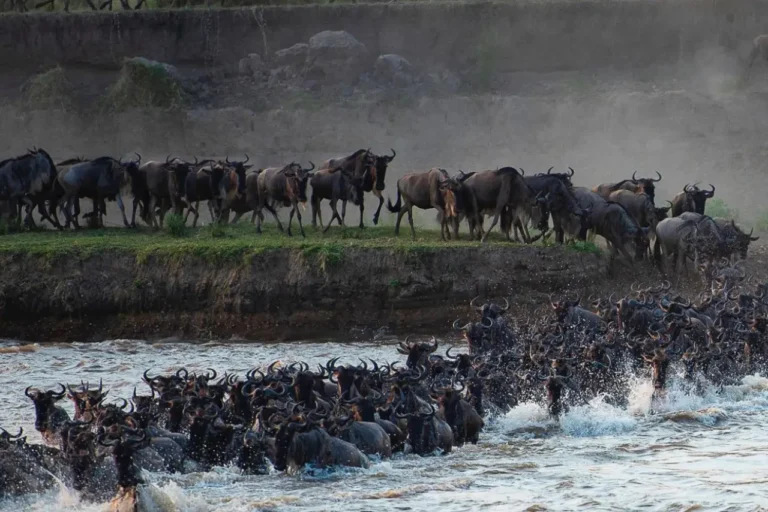
This is the end of the rainy season. Herds of antelopes continue to move to the west, to the region named Western Corridor. On their way they must cross the Mbalageti and Grumeti rivers. National Geographic and Discovery Channel continue to organize expeditions and film the incredible Grumeti River crossing, capturing the danger of the herds charging through crocodile-infested waters. It is a truly exciting thing to watch, and seeing it all live, in-person can never be matched with a television episode.
July
July is the beginning of the dry season in Tanzania. There are no rains and animals continue to move to the north, towards the border with Kenya along the Grumeti region. At the end of August, this amazing cycling of animals reaches the borders of monitoring areas of Ikorongo (where there is the famous German Fort Ikoma, described in Bernard Grzimek’s book “Serengeti shall not die”).
August – October
At the end of September, the migration reaches the border with Kenya. In October, during the peak of the dry season, most of the animals have migrated to the Maasai Mara in Kenya where there is a lot of fresh water and plenty of grass.